Many auditoriums struggle with poor lighting. Dim stage spots, glare in seating areas, or uneven brightness can distract the audience and affect safety. These issues don’t just make the space look bad, they reduce the overall impact of the performance or event.
When lighting isn’t done right, people lose focus, the space feels uncomfortable, and the event seems less professional. According to the Illuminating Engineering Society (IES), proper lighting design can improve audience engagement by up to 30 percent. Older lighting systems also use more energy, which means higher costs and more maintenance.
Modern LED lighting offers a better way. It can reduce energy use by 50 to 80 percent and last up to 100,000 hours. With smart controls and the right design, you can create a space that looks great, keeps people safe, and works for any kind of event. This guide will show you how to do it step by step.
Why Auditorium Lighting Design Matters
Lighting in auditoriums isn’t just a matter of aesthetics, it directly impacts performance quality, audience satisfaction, and safety compliance. Here’s why thoughtful design is crucial:
- Enhances visibility for attendees and performers alike
- Supports diverse events like plays, lectures, concerts, and worship services
- Improves safety by illuminating stairs, exits, and aisles
- Shapes mood and storytelling, adding drama, emotion, or energy
- Elevates architectural features, making the space more inviting and professional
A good lighting design complements acoustics and AV systems while ensuring seamless integration with energy and control technologies.
Core Lighting Zones in an Auditorium
Not every part of an auditorium needs the same kind of light. The stage, seating, aisles, and ceiling all play different roles, and each one needs its own lighting plan.
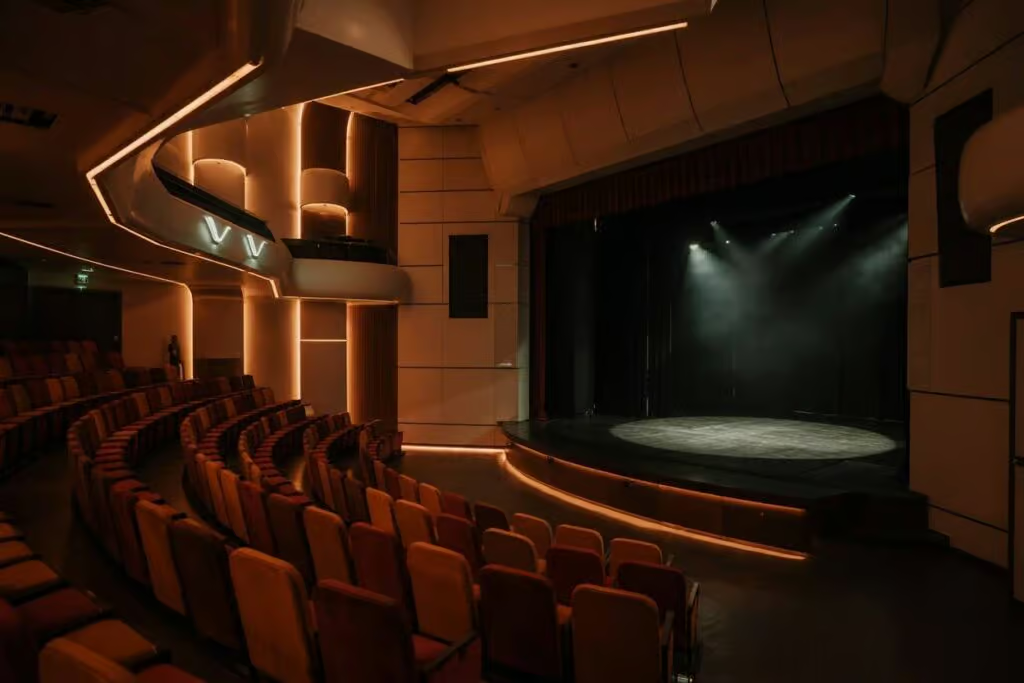
Let’s break down each area and see how to light it the right way.
Stage Area
The stage is the focal point, and the lighting must be dynamic and controllable. Use a mix of:
- Front lighting for visibility and expression
- Backlighting for depth and separation
- Side lighting to soften shadows
Adjustability is key. Fixtures must support dimming, color temperature tuning, and programmable cues. Theatrical lights such as ellipsoidal, Fresnels, and LED PARs are commonly used here.
Audience Seating Area
Lighting in this zone should be uniform, non-distracting, and glare-free. A proper balance ensures the audience can read programs without light spilling onto the stage.
- Target lux level: 300–500 lux
- Avoid direct overhead glare
- Integrate recessed, pendant, or indirect lighting fixtures
Dimmable options allow adjustment based on event needs.
Aisles and Entry Paths
Safe passage is essential. These zones require:
- Step lights, path markers, and recessed floor lights
- Emergency egress lighting per safety codes
- Visual clarity without overpowering glow
Use warm CCTs (2700K–3000K) and low-intensity LEDs to ensure visibility without distraction.
Ceiling and Architectural Features
Ceiling lighting enhances the space visually and acoustically. Options include:
- Cove lighting and uplights to accent curves and beams
- Wall washers to highlight textures or architectural panels
- Consider integrated lighting with HVAC and acoustic baffles
Architectural lighting adds elegance without being the focal point.
Types of Lighting Used in Auditoriums
There’s no one-size-fits-all when it comes to lights. You’ll need a mix of different types, some for overall brightness, others for drama, focus, or safety.

Here’s a simple guide to the main lighting types you’ll want to use.
General Ambient Lighting
Provides overall illumination when the venue is not in performance mode. Typically includes:
- LED troffers or recessed panels
- Indirect uplighting
- Ceiling-mounted pendants
Used for cleaning, entry/exit, and pre/post-event use.
Accent Lighting
Used to draw attention to features like wall art, alcoves, or sculptures.
- Often installed in lobbies, backdrops, or decorative ceilings
- Typically track or spotlights with narrow beam angles
Task and Functional Lighting
Supports activities like reading scripts or managing controls.
- Desk lamps for sound booths
- Under-balcony lights
- Lighting for control panels
Stage/Theatrical Lighting
The backbone of performance design:
- Ellipsoidal Reflector Spotlights (ERS)
- Fresnel lanterns
- PAR cans
- Intelligent/Moving lights
- Follow spots
DMX-compatible LEDs now dominate theatrical installs due to their flexibility.
Emergency and Egress Lighting
Required for safe evacuation:
- Battery backup exit signs
- Floor-level indicators
- Recessed emergency lights
Must meet NFPA 101, IBC, and local fire codes.
Modern LED Auditorium Lighting Features
LED lighting is popular for a reason, it’s energy-saving, long-lasting, and super flexible. These lights can handle everything from spotlighting performers to creating a cozy mood.
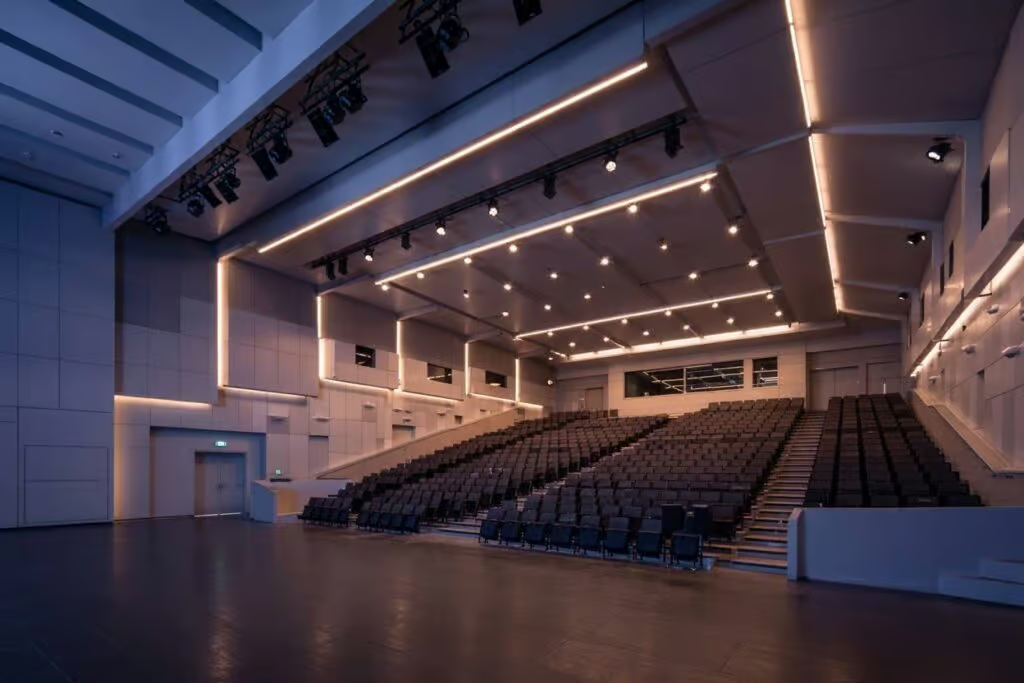
Let’s go over the best features that LED lights bring to an auditorium.
Energy Efficiency and Longevity
LEDs use up to 80% less energy than traditional fixtures. With lifespans between 50,000 and 100,000 hours, they drastically reduce maintenance costs, especially in high-ceiling venues with limited access.
Instant-On and Flicker-Free Performance
Unlike older discharge lamps, LEDs offer:
- Instant full brightness
- No flicker, ideal for broadcasting and live streaming
- Low-noise operation, critical for silent scenes
Dimmable and Tunable Options
LED systems today allow:
- Smooth dimming from 0–100%
- Tunable white (2700K–6500K) for mood control
- RGBW (Red, Green, Blue, White) for theatrical color effects
DMX and DALI systems support real-time changes.
Low Heat Emission
LEDs emit very little radiant heat:
- Reduces HVAC load by up to 30%
- Keeps performers and technicians comfortable on stage
Compact and Flexible Fixture Design
Modern fixtures are slimmer and lighter:
- Fit in tight architectural spaces (e.g., cove or recessed ceiling slots)
- Easy to hide or mount on trusses or catwalks
- Lightweight for motorized rigging
Smart Integration and Control
Compatible with:
- DMX, DALI, 0-10V, and Bluetooth
- App-based or central panel control
- Scene presets and automation scheduling
This allows complete environmental control at the touch of a button.
Key Technical Considerations
A good lighting setup isn’t just about looks—it also needs to perform well. That means thinking about brightness, angles, color, and how everything works together.
Here are the key technical details to keep in mind when planning your lighting.
Beam Angle and Coverage
- Narrow beams (15°–30°) for spotlighting performers
- Wide beams (60°+) for general wash or house lighting
- Calculate throw distance: Beam angle × distance determines spread
Use photometric tools for precision layouts.
Color Rendering Index (CRI)
- CRI 80+ sufficient for seating and general areas
- CRI 90+ required for stage and film—enhances skin tones, costumes, and set textures
Color Temperature (CCT)
- 2700K–3000K for warm, intimate ambiance
- 4000K–5000K for bright, energetic spaces (rehearsals, lectures)
- Tunable systems allow transitions across the range
Lighting Levels (Lux / Footcandles)
- Audience: 300–500 lux
- Stage (rehearsals): 1000–1500 lux
- Control booths: ~500 lux
Dimming must be smooth and flicker-free.
Lighting Control Systems
Great lighting needs smart controls. Whether you’re switching scenes or dimming the lights between acts, the right system makes it all simple and smooth.
Let’s look at how lighting control systems work and what options exist.
Manual vs. Automated Systems
- Manual switches and dimmers for simple spaces
- Automated control panels for multi-zone, multi-scene venues
- DMX512: standard for stage lighting control
- 0–10V/DALI for ambient and architectural systems
Integration with AV and Stage Systems
Cue-based systems sync lighting with:
- Audio effects
- Curtain movement
- Multimedia presentations
Useful for full theater automation.
Energy Efficiency and Scheduling
Smart features reduce energy:
- Occupancy sensors
- Scene-based dimming schedules
- Remote access via apps or BMS
LED drivers ensure stable performance and long life.
Auditorium Lighting Standards and Compliance
It’s not just about making the space look good, you also need to follow safety rules and accessibility guidelines. These standards protect everyone in the building.
Here’s what you need to know to stay safe and meet the rules.
International and National Codes
- ANSI/IES RP-30-20: Lighting for auditoriums
- NFPA 101: Life Safety Code
- IBC 2021: Construction and egress regulations
- IEC 60598: Luminaire safety standards
Check local jurisdiction codes and electrical standards.
ADA and Accessibility Considerations
- Step lights must be visible to low-vision attendees
- Backlit signage for exits and restrooms
- All controls should meet reach and tactile standards
Daylighting in Auditorium Design
Natural light can be a great addition, especially in multi-use spaces. But it needs to be managed carefully so it doesn’t interfere with the event.

Let’s talk about how to use daylight without losing control over your space.
Role of Natural Light
While uncommon in black-box theaters, daylight can be used in:
- Multipurpose halls
- Lecture venues
- Event centers
Daylight benefits mood and reduces energy use. However, it must be controllable to prevent glare.
Transitioning Between Natural and Artificial Light
- Use tunable white LEDs to match daylight
- Install motorized blinds, skylight shades
- Scene presets for day/night transitions
Proper planning ensures flexibility without compromising performance quality.
Sustainable Auditorium Lighting Design
Eco-friendly lighting isn’t just good for the planet—it saves money too. Choosing the right lights and smart controls helps you run your auditorium more efficiently.
Here’s how to make your lighting setup greener and more cost-effective.
Energy-Efficient Fixture Choices
Look for:
- ENERGY STAR® or DLC-listed luminaires
- Low-wattage, high-lumen option
- Drivers with >90% efficiency
This improves building sustainability metrics.
Smart Controls for Sustainability
Integrate with green building systems like:
- LEED®, WELL Building Standard™, or Green Star
- Include CO2 sensors, occupancy tracking, and energy dashboards
- Enable zone-based load management
Best Practices for Auditorium Lighting Maintenance
Changing lights in a tall ceiling or behind stage equipment isn’t easy. A smart maintenance plan keeps things running smoothly and helps avoid last-minute issues.
Here are some simple ways to keep your lighting in great shape over time.
Access Planning in High Ceiling
- Use motorized winches to lower fixtures
- Build catwalks or telescoping lifts for service access
- Schedule maintenance during off-hours
Long-Life Components and Warranties
- Choose LEDs with L70 lifespans of 50,000–100,000 hours
- Look for minimum 5-year warranties
- Use brands known for quality and support
Tips for Choosing Auditorium Lighting
Choosing the right lighting doesn’t have to be hard. Think about how the space is used, how you’ll control the lights, and how to save energy.
Here are some helpful tips to make the right lighting choices from the start.
- Assess your event types and required flexibility
- Choose high-CRI, tunable, and dimmable LEDs
- Prioritize safety and code compliance
- Invest in reliable control systems
- Always consult a lighting designer or use photometric planning tools
FAQs
Conclusion
Auditorium lighting is both a science and an art. The right design enhances visibility, supports diverse performances, ensures safety, and creates memorable experiences for both audiences and performers. With modern LED solutions, smart controls, and sustainable practices, you can build an auditorium that’s visually stunning, energy-efficient, and future-ready.
If you’re planning a new auditorium or upgrading an existing one, consult with professional lighting designers and use simulation tools to visualize layouts, light levels, and beam angles. Every detail matters—and the results are worth it.