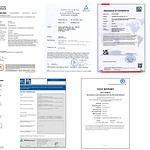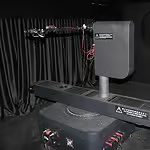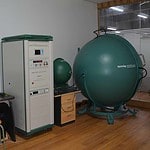
If you’ve ever looked at the back of a light fixture, appliance, or charger, you’ve probably seen safety labels like ETL or UL. While they may appear to be just another compliance mark, these certifications play a crucial role in ensuring product safety and your ability to legally sell in the U.S. or Canada.
Whether you’re a manufacturer preparing for market entry or a consumer trying to make an informed purchase, understanding what these labels mean isn’t just helpful, it’s essential. Both UL and ETL indicate that a product has passed rigorous safety testing, but different testing labs issue them with distinct processes, histories, and reputations.
According to OSHA, over 70,000 types of electrical products require third-party certification by an NRTL to be legally sold in the U.S.
In this guide, we’ll break down the differences between UL and ETL, how their certifications work, what they mean for your product, and how to decide which one is right for your business. You’ll be able to recognize the marks, trust their meaning, and make smarter, safer decisions.
Understanding Safety Certifications
When it comes to selling electrical products in North America, safety isn’t just a best practice; it’s the law. That’s why certifications from trusted third-party labs are essential. These marks prove your product has been tested and meets stringent safety standards before it can legally be sold or installed.
What Is an NRTL and OSHA’s Role?
A Nationally Recognized Testing Laboratory (NRTL) is an independent organization officially approved by OSHA (Occupational Safety and Health Administration) to test and certify products for safety. These labs don’t create safety standards; they verify that your product meets existing national safety requirements.
Think of NRTLs as referees: neutral, precise, and focused solely on compliance.
Both UL (Underwriters Laboratories) and ETL (Edison Testing Laboratories) are NRTLs. OSHA’s approval means that the testing and certification done by these labs is legally recognized throughout the U.S. and Canada, offering peace of mind to manufacturers, inspectors, and consumers.
As of 2025, 20 OSHA-recognized NRTLs are operating across North America, ensuring broad national safety coverage.
What Is UL?
UL stands for Underwriters Laboratories, a global safety certification organization that’s been operating since 1894. Created to test the safety of early electrical devices, UL has grown into one of the most recognized and respected names in compliance testing.
UL isn’t just established, it’s highly respected. Over the past century, it has built a reputation for rigorous testing, detailed standards, and a no-compromise approach to safety. That’s why you’ll often see the UL mark on everything from power tools to microwaves; people trust it.
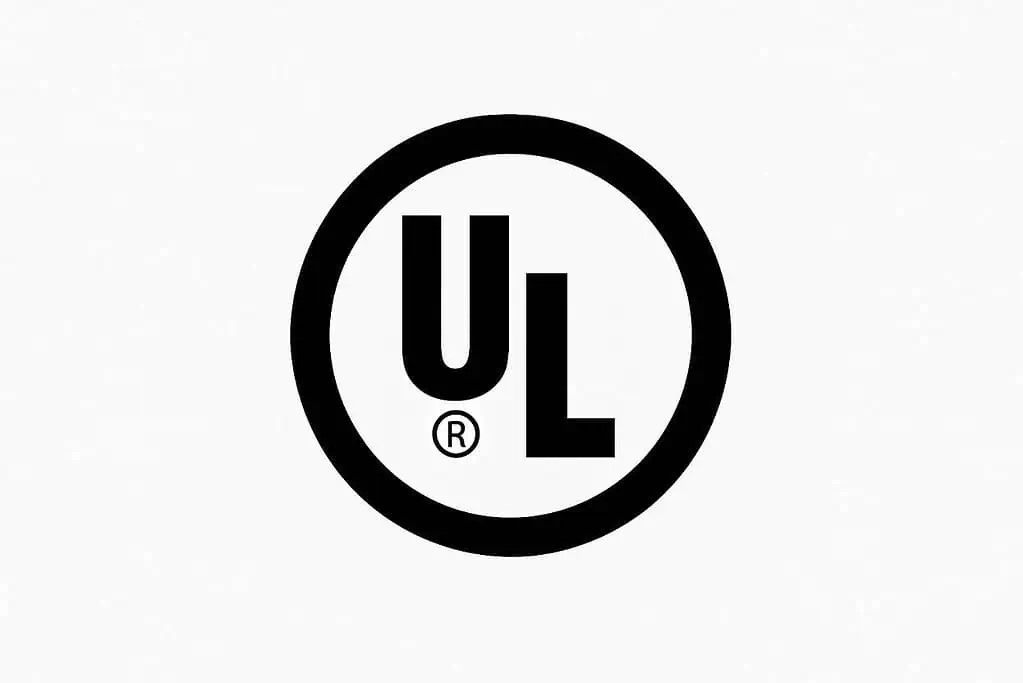
UL has evaluated over 22 billion products worldwide and publishes more than 1,600 safety standards, making it one of the most prolific certifiers globally.
When a product is UL Listed, it means it was tested by UL and found to meet specific safety requirements based on nationally recognized standards, such as those from ANSI, UL, or CSA (for Canadian compliance). UL doesn’t create these standards; it tests against them.
A listed product undergoes lab testing, documentation reviews, and sometimes field inspections. Once it passes, it receives the UL mark and a unique listing number, which can be looked up for verification.
UL covers a wide range of industries, and its logo can be found on products like:
- Extension cords and power strips
- Kitchen appliances (coffee makers, toasters)
- LED lighting fixtures and bulbs
- Smoke detectors and fire alarms
- Chargers and battery packs
- Industrial control panels
What Is ETL?
ETL stands for Edison Testing Laboratories, originally founded by Thomas Edison in the late 1800s. Today, ETL is part of Intertek, a global powerhouse in product testing, inspection, and certification.
Over the years, ETL has become a major force in the world of safety testing. Thanks to Intertek’s international infrastructure, the ETL mark is now recognized in over 100 countries and accepted across North America, just like UL.
ETL is especially popular with manufacturers who need:
- Faster turnaround times
- Streamlined testing procedures
- Potentially lower certification costs
—without compromising on quality or compliance.
When a product is ETL Listed, it means it has been independently tested and certified to meet the required North American safety standards. Like UL, the listing includes a control number or listing ID that can be verified through Intertek’s database.
ETL is used across many of the same industries as UL, including:
- Consumer electronics (TVs, chargers, monitors)
- Lighting and LED fixtures
- HVAC and refrigeration systems
- Medical and laboratory equipment
- Kitchen and household appliances
- Commercial food service machines
Many manufacturers prefer ETL for time-sensitive launches or innovative products, as Intertek is often more flexible and efficient in its testing protocols.
UL vs ETL Labels
UL and ETL labels both indicate that a product meets safety standards, but their appearances differ slightly. Knowing how to identify and verify these labels helps ensure you’re choosing equipment that’s tested, certified, and safe for use.
1. Visual Differences in UL vs ETL Labels
While UL and ETL labels look different, both indicate that a product has passed third-party safety testing.
- UL’s logo appears in a circle, often with the word “LISTED” or “CLASSIFIED” beneath it.
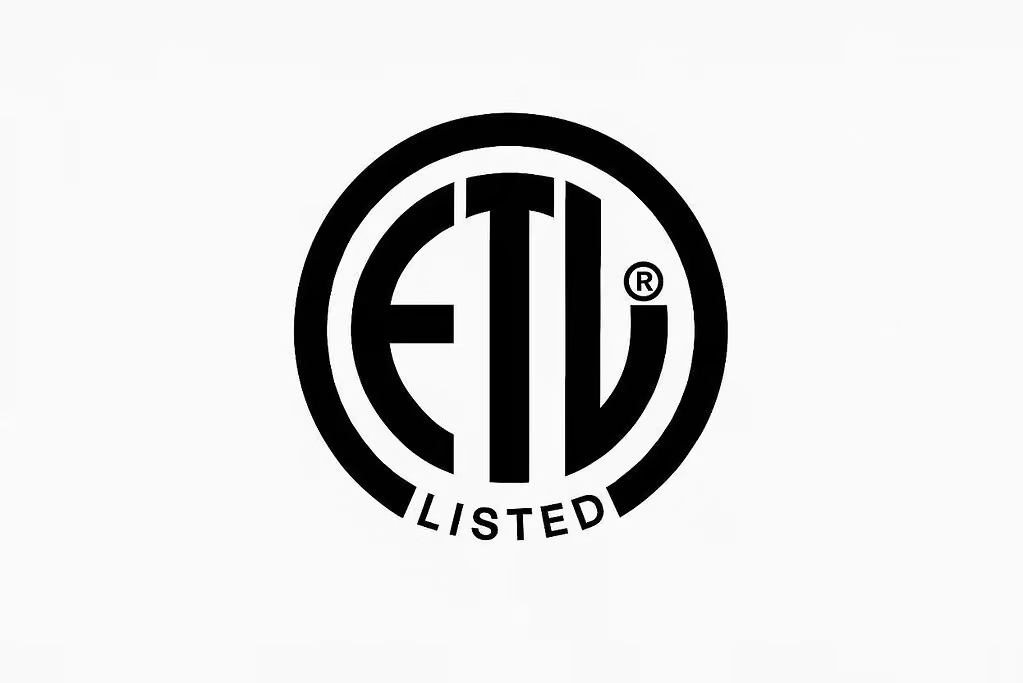
- ETL’s mark uses an oval shape, typically accompanied by the words “LISTED” and “Intertek.”
What matters more than appearance is authenticity. Real safety marks will always include a listing or control number that you can verify through public databases from UL or Intertek.
Genuine labels are:
- Cleanly printed on durable materials (metal, plastic, or high-grade adhesive)
- Free from spelling errors or suspicious formatting
- Positioned near power inputs, serial numbers, or control panels, visible to inspectors and users
2. How to Identify Genuine Certification Marks
To confirm a product’s safety listing:
- Look for a control number, issue number, or listing file number on the label.
- Enter that number into UL’s or Intertek’s official database to verify the product’s status.
- Ensure the label is integrated into the product, not a flimsy or poorly attached sticker.
- Watch out for low-quality labels, spelling errors, or any signs that the label might be counterfeit.
3. Label Placement and the Role of the Listing Number
Certification labels are usually placed in a highly visible location, like near the power cord, plug, serial number, or control panel.
The listing number corresponds to a specific product or product family that has passed third-party testing based on safety standards such as UL 60950, UL 1598, or CSA C22.2. This number is how inspectors, retailers, and end-users verify a product’s compliance.
ETL Listed vs UL Listed: What Sets Them Apart?
ETL and UL tests are to the same safety standards, and both are equally recognized under OSHA. So what sets them apart? It comes down to branding, speed, cost, and industry perception.
1. Brand Recognition: UL’s Legacy vs. ETL’s Modern Growth
UL is the legacy brand; it’s been the gold standard in product safety for over 100 years. Its name carries significant weight, especially among seasoned inspectors, engineers, and retailers.
ETL, while equally legitimate, is newer to mainstream awareness. Backed by Intertek’s global reach and known for its streamlined process, ETL has become increasingly popular with manufacturers and is quickly gaining trust in the market.
👉 UL wins in brand recognition, but ETL is catching up fast, especially in industries where speed and flexibility are key.
2. Testing Standards: Same Benchmarks, Different Logos
Here’s what many people overlook:
- Both UL and ETL test products against identical safety standards, such as ANSI, UL, or CSA benchmarks
- Whether you see ETL or UL, the product meets the same level of safety
- The only difference is which lab did the testing
For example, a lighting fixture may need to meet UL Standard 1598. Whether that’s tested by UL or ETL makes no difference in the outcome; it’s equally compliant.
3. Certification Process: Turnaround, Cost, and Paperwork
This is where ETL often shines for manufacturers:
- Faster turnaround times mean quicker paths to market
- Lower certification fees make it accessible to startups or smaller production runs
- Simplified documentation reduces friction and back-and-forth during the approval process
On average, ETL certification can cost 20–30% less than UL and reduce time-to-market by up to 4 weeks, especially for small-batch or consumer electronics.
UL, while thorough and reliable, can feel more traditional and time-intensive. It’s not necessarily better or worse; it just depends on what works best for your product, timeline, and budget.
4. Market Acceptance: What Inspectors and Retailers Prefer
In most cases, both UL and ETL certifications are equally accepted across North America. However, some inspectors or retailers may still show a preference for UL, especially in industries with a long history of using UL-certified products.
Still, it’s important to know:
Both UL and ETL certifications meet legal and regulatory requirements. If your product is listed with either, it satisfies OSHA and SCC standards for the U.S. and Canada.
Major retailers such as Home Depot, Walmart, and Costco regularly stock both UL and ETL-listed products, ranging from LED bulbs to coffee machines, demonstrating equal retail acceptance.
When in doubt, consult with your retail buyer or the Authority Having Jurisdiction (AHJ) in your area for any specific preferences.
Which Certification Should You Choose?
Choosing between UL and ETL isn’t about which one is “better.” It depends on what you’re making, who you’re selling to, and how quickly you need to bring it to market. Let’s break it down by scenario.
1. Product Type
Some product categories have traditional ties to specific testing labs. Understanding those expectations can guide your decision:
- Industrial or medical equipment: UL is often preferred due to its legacy presence in these highly regulated sectors.
- Consumer electronics and lighting: ETL is commonly accepted and widely used across modern product lines.
Always check if your product category has any industry-specific preferences tied to UL or ETL listings.
2. Target Markets
In most cases:
- Selling in the U.S. or Canada? Both UL and ETL are equally valid; they’re recognized by OSHA in the U.S. and SCC in Canada.
- Selling to retailers or contractors with strict requirements? Some might still prefer UL due to familiarity. Others won’t mind, as long as the product is certified by a recognized NRTL.
When in doubt, reach out to your retail partners or the Authority Having Jurisdiction (AHJ) to confirm what they’ll accept.
3. Budget and Timelines
This is where ETL often provides a clear advantage:
- Faster certification timelines can reduce your time to market
- Lower testing and listing costs can help stretch your development or marketing budget
- Streamlined documentation and processes mean less administrative overhead
For startups, small batch products, or tight product launches, ETL may be the most practical route to compliance, without compromising on safety.
Common Misconceptions
Let’s clear up some persistent myths about UL and ETL certification:
1. ETL Is Inferior to UL
Fact: ETL is not a “budget” version of UL. It’s a fully recognized, accredited NRTL that tests to the same safety standards.
The main differences are in cost, speed, and documentation, not quality or compliance.
2. Misconception: Only UL Is Accepted in the U.S. or Canada
Fact: Both UL and ETL are accepted across all of North America. ETL is approved by OSHA in the U.S. and by the Standards Council of Canada (SCC).
You’ll find ETL Listed products in major retail stores, commercial projects, and regulated industries.
No law or regulation gives UL an exclusive status. If your product is tested by an NRTL like ETL, it’s legally valid.
FAQs
Conclusion
Choosing between UL and ETL isn’t about picking a “better” certification; it’s about selecting the right path for your business needs.
Both marks represent products that have passed rigorous, nationally recognized safety testing. Both are accepted in the U.S. and Canada. Both provide legal compliance for market entry.
As the U.S. Consumer Product Safety Commission (CPSC) states, products certified by any OSHA-approved NRTL—whether UL or ETL—meet federal safety compliance.
- UL brings legacy, broad brand recognition, and strong market familiarity, especially in conservative or heavily regulated industries.
- ETL offers a modern, flexible approach with faster turnaround times and potential cost savings, making it an excellent option for growing businesses or fast-paced product lines.
ETL Listed and UL Listed both mean one thing: your product meets high safety standards. It’s the certification that matters, not just the label.