Swimming pools are not just for swimming; they’re places for relaxation, family gatherings, and evening parties. The right lighting can completely transform the look and feel of a pool area. One of the most popular ways to achieve this transformation is by using LED strip lights.
LED strips are flexible, energy-efficient, and versatile. They can highlight the pool’s edges, create glowing steps, or even bring dynamic color shows to water features. But when it comes to pool environments, where there’s constant exposure to water, chlorine, or salt, you can’t use just any LED strip. You need the right type with proper waterproofing, voltage, and installation techniques.
This guide will cover everything you need to know, from choosing the right LED strip and understanding IP ratings to installation tips, safety requirements, and creative design ideas. By the end, you’ll know how to plan, buy, and set up LED strip lighting that makes your pool safe, stylish, and long-lasting.
What Is Swimming Pool Lighting?
Swimming pool lighting refers to the use of LEDs, bulbs, or other light sources installed either underwater or around the pool’s perimeter. Its purpose goes beyond simply brightening the space; it enhances both safety and aesthetics. With proper lighting, a pool can be used comfortably even after dark, reducing the risk of slips, falls, or other accidents that might occur in low visibility.
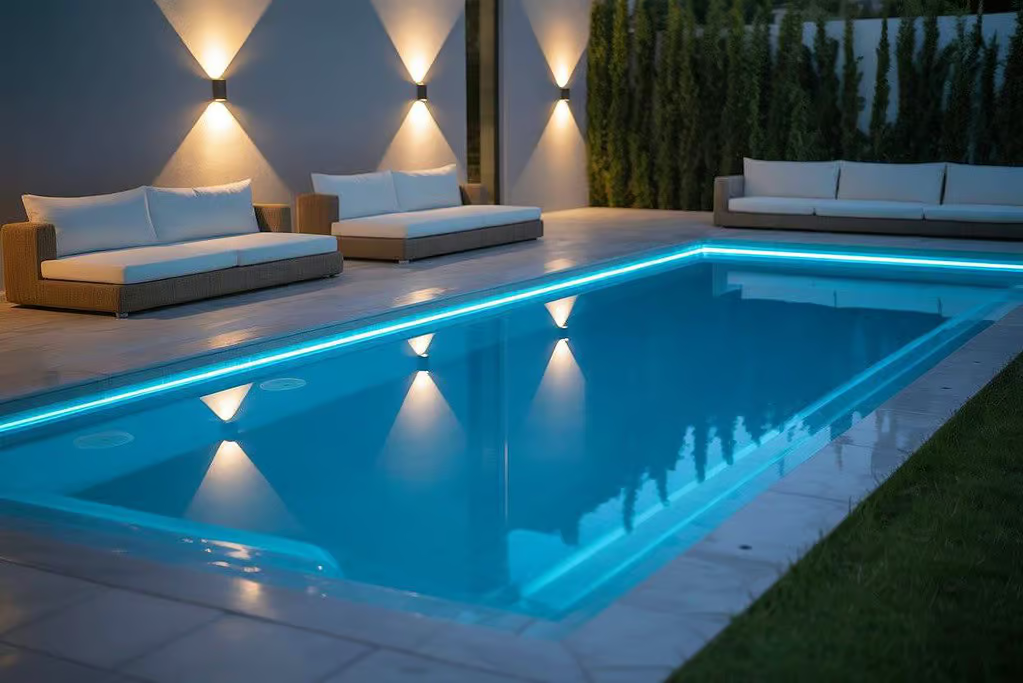
Beyond functionality, pool lighting also plays a major role in atmosphere and enjoyment. It creates a welcoming environment for evening swims, late-night gatherings, or simply relaxing by the water. Modern lighting designs can even transform a pool into a striking visual feature that looks great in photos, perfect for social sharing and “Instagram-worthy” moments.
Swimming pool lighting increases utility, safety, and style, making the pool a centerpiece for both daytime and nighttime enjoyment.
Common Types of Pool Lighting
There are several ways to light up a swimming pool. Each option has its own pros and cons, but in recent years, LED pool lights have become the most popular choice.
Halogen Pool Lights
Halogen lights were widely used in the past. They are bright, but they waste a lot of energy, give off too much heat, and burn out quickly. Because of high running costs and short lifespan, halogen pool lighting is now being replaced by LED pool lights.
LED Pool Fixtures
These are modern wall-mounted lights that fit inside the pool. They provide strong, even light while using very little energy. LED fixtures come in both white and color-changing models. They last much longer than halogen bulbs and are now the standard choice for many pool owners.
Fiber Optic Pool Lighting
Fiber optic systems use cables to carry light from a source outside the pool. They are very safe because there is no electricity in the water. However, they are not very bright, need regular maintenance, and cost more to run. For this reason, fiber optic pool lights are less common today.
LED Strip Lights for Pools
LED strip lights are flexible, low-voltage strips, and waterproof. They can run along the edges of the pool, highlight steps, or even go underwater if rated IP68. These strips can glow in warm white for a relaxing feel, or in RGB/RGBW colors for parties and fun effects. With smart controllers, you can even manage them by phone or remotely. Because they are safe, energy-saving, and stylish, LED strip lighting is quickly becoming one of the top choices for swimming pool lighting.
Why Choose LED Strips for Swimming Pools
LED strip lights are becoming the favorite choice for pool owners, and here’s why:
- Energy Saving: They use much less electricity compared to old halogen lights. You can keep your pool glowing all night without worrying about a big bill.
- Long Life: Good LED strips can last up to 30,000–50,000 hours. That means fewer replacements and less hassle.
- Safe Around Water: They run on low voltage (12V or 24V), which is much safer near water than high-voltage systems.
- Flexible Design: LED strips are bendable. They can follow the shape of your pool, outline steps, or wrap around corners.
- Colors & Effects: You can choose warm white for a relaxing swim, or switch to RGB/RGBW strips for parties with color-changing effects.
- Smart Control: Many strips can connect to remotes, phone apps, or even smart home systems. You can dim, change colors, or set scenes instantly.
Waterproofing & Safety Standards for LED Pool Lighting
When it comes to LED strip lights for swimming pools, waterproofing and safety should always come first. Unlike indoor or decorative lights, pool lighting faces constant exposure to water, chemicals, and sometimes salt. Choosing the correct protection level keeps your system safe and ensures years of reliable performance.
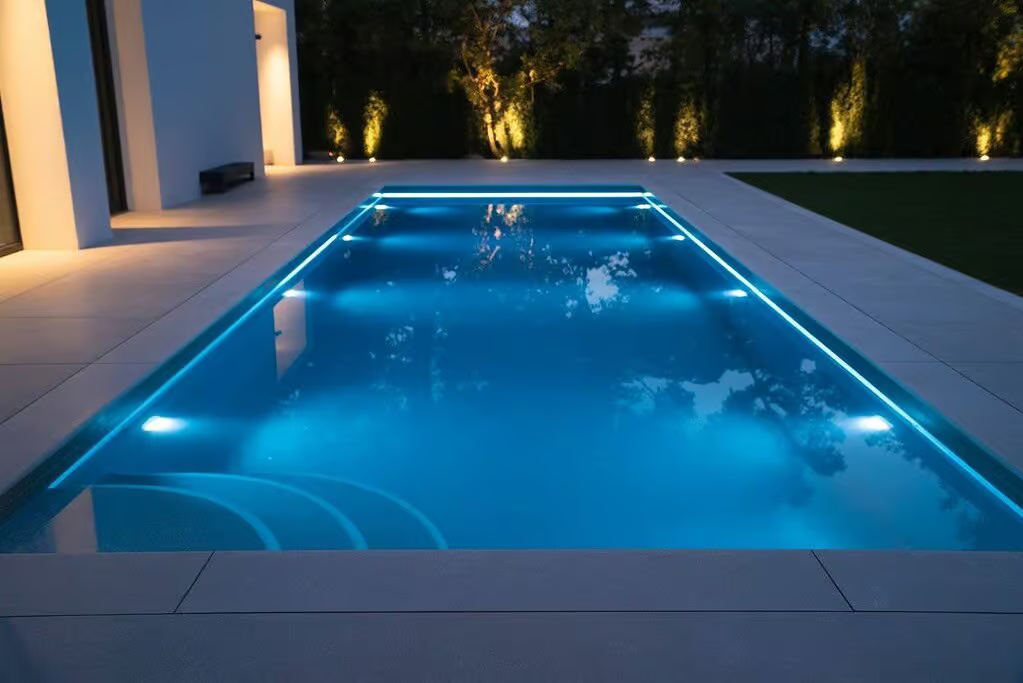
Understanding IP Ratings
Every LED strip comes with an IP rating (Ingress Protection) that tells you how resistant it is to dust and water:
- IP65: Splash-resistant and fine for outdoor use, but not for direct contact with pool water.
- IP67: Protected against short-term immersion, making it suitable for waterline lighting or areas near the pool.
- IP68: Rated for continuous submersion. This is the standard for underwater pool LED strip lights.
Materials That Last
The coating around the LED strip is just as important as the IP rating:
- Silicone or PU jackets: flexible, tough, and highly resistant to chlorine and salt.
- PVC jackets: common but less durable in harsh pool environments.
- Neon flex silicone extrusion: a premium option that offers UV resistance, smooth dot-free light, and excellent waterproofing.
Electrical Safety Matters
- Use low-voltage systems (12V or 24V DC ) to minimize risk around water.
- Keep drivers, controllers, and power supplies in a dry, ventilated area away from splashes.
- Install a GFCI (Ground Fault Circuit Interrupter) or RCD (Residual Current Device) for added protection against electric shock.
- Always seal joints with IP68-rated connectors, resin kits, or heat-shrink tubing to prevent water leaks.
By combining the right IP rating, durable materials, and safe installation practices, you can enjoy beautiful pool lighting that’s both safe and long-lasting.
Planning Your Pool Lighting Design
Once you’ve chosen the right LED strip lights, the next step is planning where and how to install them. A good design combines both functionality and aesthetics, making your pool area safer and more visually appealing.
1. Perimeter Lighting
Running LED strips around the pool’s edge creates a clean outline and soft ambient glow. It highlights the shape of the pool, makes it easier to see the boundaries at night, and adds a touch of elegance.
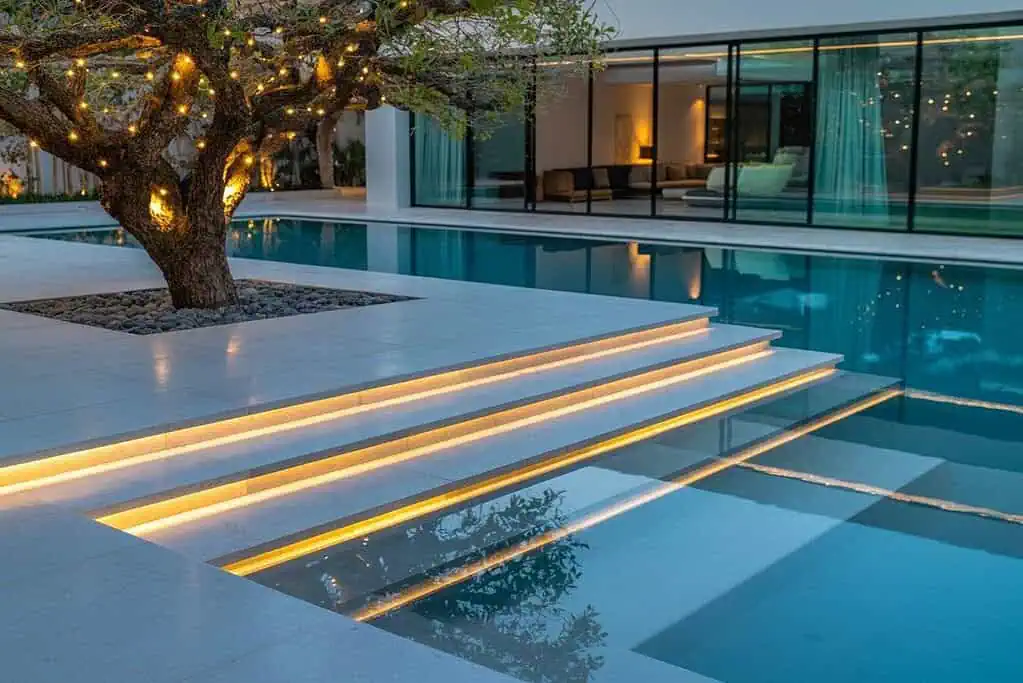
2. Step and Ledge Lighting
Steps and tanning ledges can be tricky to navigate in the dark. Installing LED strips along these areas improves visibility and reduces the risk of accidents, while also giving your pool a stylish look.
3. Underwater Lighting
With IP68-rated LED strips, you can create stunning underwater effects. Strips placed just below the waterline or along the walls add depth, movement, and a unique shimmer to the pool.
4. Water Features
LED strips are excellent for enhancing waterfalls, fountains, and bubblers. By placing waterproof strips behind or around these features, you can make them stand out at night with glowing accents.
5. Landscaping Integration
Your pool doesn’t exist in isolation—it’s part of your outdoor space. Consider extending LED strip lighting to nearby walls, garden edges, or pathways to tie the whole area together and create a cohesive lighting design.
6. Scene Planning
Think about how you’ll use your pool:
- Relaxing swims: soft, warm, white glow.
- Entertaining guests: colorful RGB or RGBW effects.
- Nighttime safety: bright neutral tones along steps and edges.
By mixing these ideas, you can design a lighting setup that works for every occasion.
Step-by-Step Installation Guide for Pool LED Strip Lights
Installing LED strip lights in a swimming pool requires planning, the right tools, and careful sealing to ensure long-term safety. Here’s a clear guide to help you through the process:
1. Plan and Measure
- Start by deciding where the LED strips will go: perimeter edges, steps, underwater, or water features.
- Measure the length of each area and add a little extra to allow for connectors and corners.
- Sketch a simple wiring layout showing where drivers and controllers will be placed.
2. Prepare the Surface
- Clean the mounting area with alcohol or a similar solution to remove dust and grease.
- Make sure the surface is dry before installation to ensure proper adhesion and sealing.
3. Mount the Strips
- Use mounting clips, aluminum channels, or special pool-grade adhesive to secure the LED strips.
- Avoid bending strips sharply around corners—use connectors or flexible neon strips for curves.
- If using channels, add opal diffusers for a smooth, professional finish.
4. Connect and Seal
- Match the LED strip’s voltage (12V or 24V) with the correct driver.
- Use only IP68 waterproof connectors and seal them with resin kits or adhesive heat-shrink tubing.
- Double-check polarity (+ and –) when joining strips to avoid damage.
5. Position Drivers and Controllers
- Keep all drivers, controllers, and power supplies outside the pool area, in a dry and ventilated space.
- For safety, install a GFCI (Ground Fault Circuit Interrupter) or RCD to protect against electrical faults.
- If using smart controls, ensure Wi-Fi or Bluetooth signals can reach the controller box.
6. Test Before Final Sealing
- Power on the system to confirm that brightness, colors, and effects are working properly.
- Check for even illumination and look for any dim sections caused by a voltage drop.
- Once tested, seal all exposed ends and connections securely.
7. Allow Proper Curing
- If adhesives or sealants were used, allow them to fully cure before exposing the lights to water.
- Follow the manufacturer’s recommended curing time for best results.
Creative Design Ideas with Pool LED Strip Lights
Once your LED pool strips are installed, the real fun begins, using them to transform your pool into a stunning centerpiece. Here are some design ideas that blend beauty with practicality:
1. Elegant Perimeter Glow
Place LED strips under the pool’s coping or along the outer edges. This creates a soft outline that highlights the pool shape at night and makes the water look inviting without being too bright.
2. Step and Ledge Illumination
Adding strips along steps and shallow ledges not only enhances safety but also adds a modern, luxury feel. Neutral white light works best here for clarity and visibility.
3. Underwater Ambience
Install IP68-rated LED strips just below the waterline or along pool walls for a mesmerizing underwater effect. The shimmering glow reflects beautifully on the water’s surface, perfect for night swims.
4. Water Feature Highlights
Use LED strips to enhance waterfalls, fountains, or bubblers. When placed behind the falling water or along the base of a feature, the lighting creates a dramatic glow that turns simple features into focal points.
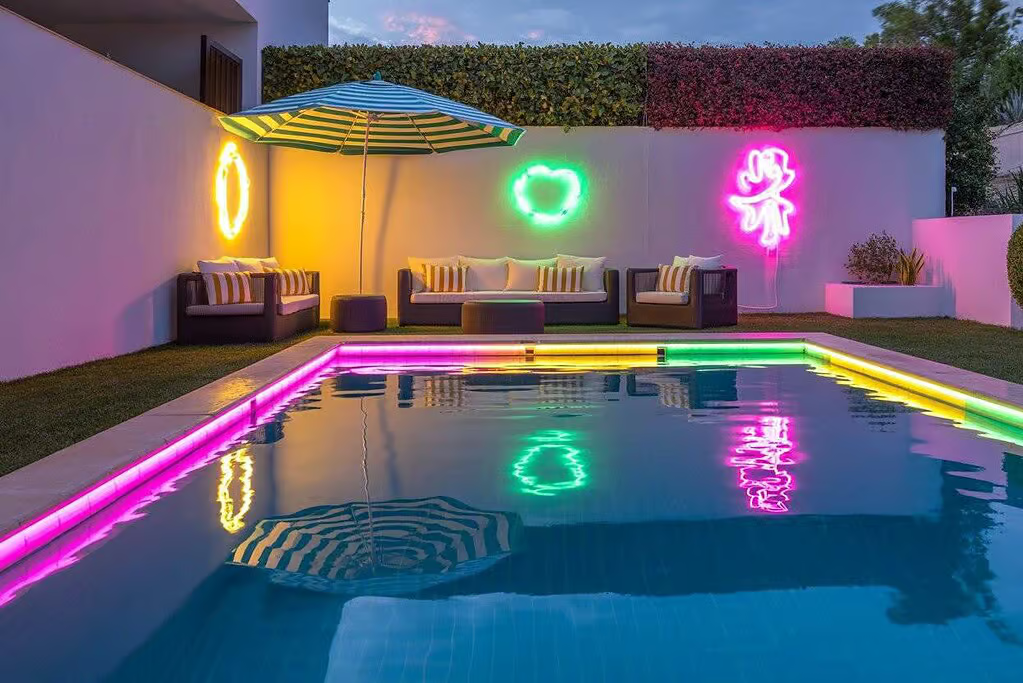
5. Party Mode with RGBW Strips
Switch to RGB or RGBW LED strips to bring energy to pool parties. Color-changing effects, fades, and chases can instantly change the mood, from calm blues for evening swims to vibrant rainbow effects for celebrations.
6. Landscape Integration
Don’t stop at the pool; extend LED strips into the surrounding area. Outline nearby garden beds, illuminate walls, or add accents to pathways. This ties the pool lighting into the entire outdoor space, creating a cohesive design.
7. Scene Presets for Every Occasion
Set up lighting scenes to match different moments:
- Relax Mode: Warm white glow for a spa-like atmosphere.
- Entertainment Mode: Bright colors and playful patterns for parties.
- Safety Mode: Clear, neutral light around edges and steps.
Key Factors to Consider When Buying Pool LED Strip Lights
When planning your pool lighting project, it’s important to evaluate the specifications and features of different LED strip lights. Choosing carefully will ensure that your setup is safe, efficient, and delivers the exact look you want.
Voltage: 12V vs 24V
- 12V strips are suitable for short runs or small pools.
- 24V strips are recommended for longer runs because they minimize voltage drop and keep brightness even across the strip.
Brightness & Density
- Brightness is measured in lumens per meter (lm/m), while density is measured in LEDs per meter (LED/m).
- Lower densities (60 LED/m) provide soft accent lighting, while higher densities (120–180 LED/m) create bright, continuous light—ideal for steps and underwater use.
Color Options
- Single-color strips (warm or cool white) are best for simple, elegant lighting.
- RGB strips add party-style color effects.
- RGBW strips combine both, giving you true white light along with full color flexibility.
CRI (Color Rendering Index)
A CRI above 80 ensures natural, accurate color appearance. This makes tiles, water, and landscaping look more vibrant under artificial light.
IP Rating & Materials
- Only IP68 LED strips should be installed underwater.
- Strips with silicone or PU coatings perform better in chlorine and saltwater than cheaper PVC types.
- Neon flex designs add durability, UV resistance, and a smooth dot-free glow.
Power Supply & Drivers
- Always match the LED strip’s voltage with the correct driver.
- Size the driver at least 20–30% higher than the total load to prevent overheating.
- Drivers and controllers should be kept in a dry, ventilated area outside the splash zone.
Controls & Connectivity
- Basic controls: On/off switches or remote dimmers.
- Smart controls: Wi-Fi or Bluetooth apps for dimming, scheduling, and color changes.
- Professional systems: DMX controllers for synchronized effects.
Connectors & Accessories
- Use IP68-rated connectors, resin kits, or adhesive heat-shrink tubing to guarantee watertight seals.
- Avoid low-quality connectors; water ingress is the most common cause of strip failure.
UV & Chemical Resistance
Pool environments involve sun, chlorine, and sometimes saltwater. Make sure your LED strips are designed to withstand these conditions.
Warranty & Certifications
Choose strips backed by a 2–5 year warranty and proper certifications (CE, RoHS, UL). This ensures long-term reliability and safety.
Maintenance and Troubleshooting for Pool LED Strip Lights
Proper care is essential to ensure that LED strip lights in swimming pools remain safe, efficient, and visually appealing over time. While high-quality pool-grade strips are designed for durability, they still require periodic inspection and maintenance.
Routine Maintenance
- Clean Surfaces Regularly: Wipe down the strips and diffusers with a soft cloth to remove dirt, algae, or calcium buildup. Avoid harsh chemicals that could damage the coating.
- Inspect Seals and Connectors: Check end caps and joints at least once a year for cracks or signs of water ingress. Reapply silicone or resin where necessary.
- Maintain Water Balance: Excess chlorine or salt can shorten the lifespan of LED strips. Keeping the pool chemistry balanced protects both the water quality and the lighting.
- Protect Power Equipment: Ensure drivers, transformers, and controllers are housed in a dry, ventilated area away from splash zones.
Common Mistakes to Avoid with Pool LED Strip Lights
Even with the right products, a few simple errors can cause problems in your pool lighting setup. Avoiding these mistakes will save you time, money, and frustration.
1. Using the Wrong IP Rating
Many people install LED strips that are only splash-resistant (IP65) or partially waterproof (IP67). These will fail quickly if submerged. For underwater use, IP68 is the only safe option.
2. Ignoring Voltage Drop
Running long lengths of LED strips from a single power feed can lead to dim sections at the far end. To prevent this, either use 24V strips or power from both ends.
3. Poor Sealing of Connectors
The most common point of failure is at the connections. Skipping proper sealing or using low-quality connectors allows water to enter and damage the strip. Always use IP68-rated connectors and resin kits.
4. Installing Drivers Too Close to Water
Power supplies and controllers should never be placed near the pool or in damp areas. Keep them dry, ventilated, and accessible for maintenance.
5. Choosing Cheap, Non-Certified Products
Low-cost strips may look appealing, but often lack proper waterproofing, UV resistance, or certifications. This leads to early failure and safety risks. Always invest in certified pool-grade LED strips with a solid warranty.
6. Forgetting About Pool Chemistry and UV Exposure
Chlorine, saltwater, and constant sunlight can damage low-quality materials. Strips designed without chemical and UV resistance will degrade quickly.
FAQs About Pool LED Strip Lights
Conclusion
LED strip lights are one of the easiest ways to make a swimming pool look beautiful and safe at night. With the right waterproof rating, good materials, and a proper setup, they can last for years while using very little energy.
They’re flexible, stylish, and can be used for many effects, from a soft glow around the edges to bright, colorful lighting for parties. With a smart controller, you can change the mood of your pool with just one click.
If you choose high-quality, pool-safe LED strips and take care during installation, you’ll enjoy a pool that’s not only safe but also the centerpiece of your outdoor space.