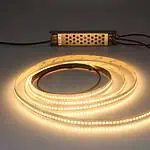
Lighting isn’t just about flipping a switch anymore. Today, smart systems let you shape how a room feels with a tap, a voice command, or even automatically based on the time of day. At the heart of these systems are lighting control modules, compact devices that manage brightness, color, energy use, and even mood.
Think about walking into your living room and having the lights adjust to match your evening routine. Or picture a business cutting costs because its lights only run when they’re actually needed. That’s the kind of flexibility these modules make possible.
Whether you’re a homeowner looking to create the perfect atmosphere or a business owner aiming to reduce energy bills, understanding lighting control modules is the first step toward smarter, more efficient spaces.
What is a Lighting Control Module?
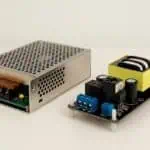
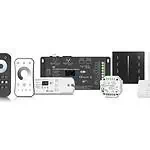
A lighting control module is the “control center” for your lighting system. It acts as a bridge between your physical lighting fixtures and the smart systems that manage them. Instead of relying solely on traditional wall switches, you can control your lights via remotes, mobile or web apps, sensors, or voice assistants like Alexa, Siri, or Google Assistant.
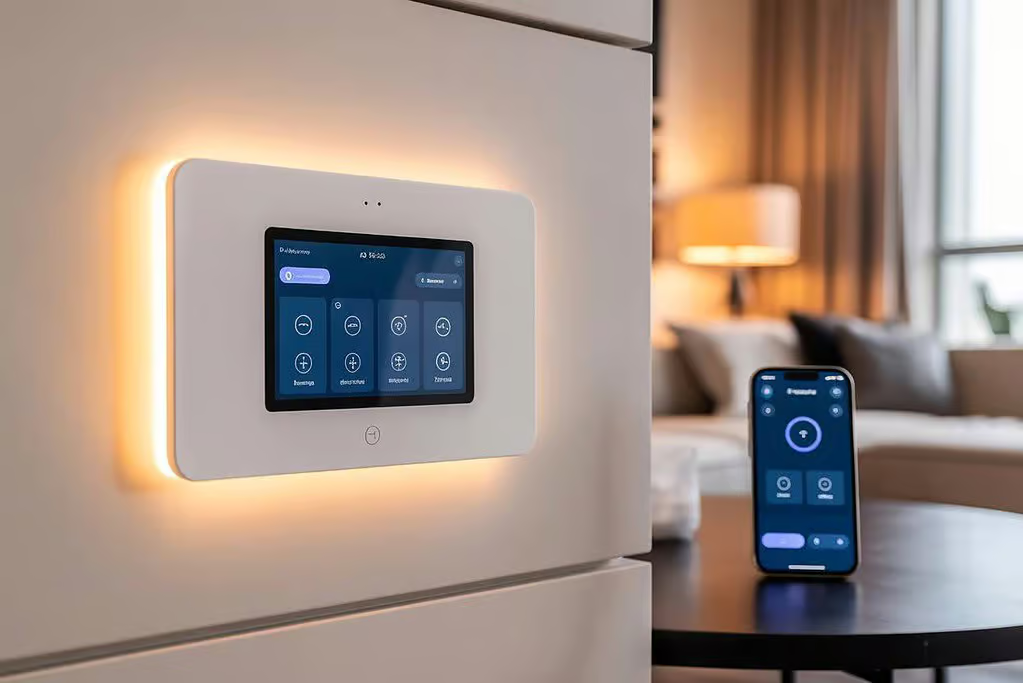
How It Works:
- The module receives signals from a controller — this could be triggered by schedules, sensor inputs, app commands, or voice.
- Based on those signals, it adjusts the lights: turning them on/off, dimming, changing color (if compatible), or even dynamically adapting throughout the day.
- Installation styles vary: some modules are hard-wired into the electrical system; others are wireless and designed for easier retrofit installations.
In short, a lighting control module makes your lighting responsive, flexible, and far more efficient than a simple wall switch.
Why Lighting Controls Matter
Lighting control modules aren’t just gadgets. They deliver measurable benefits. The global lighting control system market was valued at around USD 42.6 billion in 2024 and is expected to reach nearly USD 50 billion in 2025, evidence of just how essential these systems have become. Forecasts suggest the market could almost double again to nearly USD 98 billion by 2029.
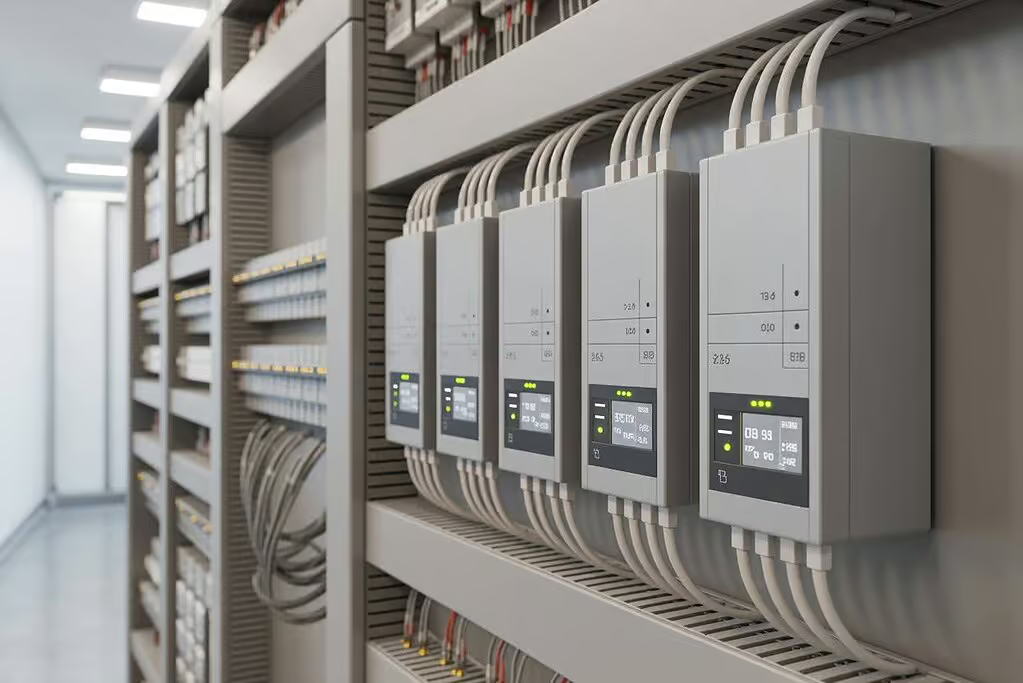
Energy Efficiency and Sustainability
Lighting is one of the biggest energy consumers in any building. With control modules, you can cut down on wasted power by dimming lights when full brightness isn’t needed or turning them off automatically when no one’s around.
- Occupancy or motion sensors alone can save about 30–40% of lighting energy.
- Combining daylight harvesting with occupancy controls can yield 15–30% savings, with some industrial sites reporting up to 60% reductions.
- In simulations using efficient lighting plus controls, energy use dropped by over 75% compared to standard setups.
This doesn’t just lower electricity bills; it supports eco-friendly living by reducing overall energy consumption.
Comfort and Convenience
Nobody enjoys walking into a dark room and fumbling for a switch. Lighting controls solve that problem by giving you personalized settings. You can set different lighting moods for reading, working, relaxing, or entertaining guests, all at the touch of a button or a simple voice command. It makes everyday living smoother and more enjoyable.
Safety and Security
Well-placed lighting boosts safety inside and outside the home. With control modules, you can program lights to turn on automatically when motion is detected, making dark walkways safer. You can also set lights to mimic your presence while you’re away, deterring potential intruders. Lighting controls don’t just make life easier; they add an extra layer of protection.
Types of Lighting Control Modules
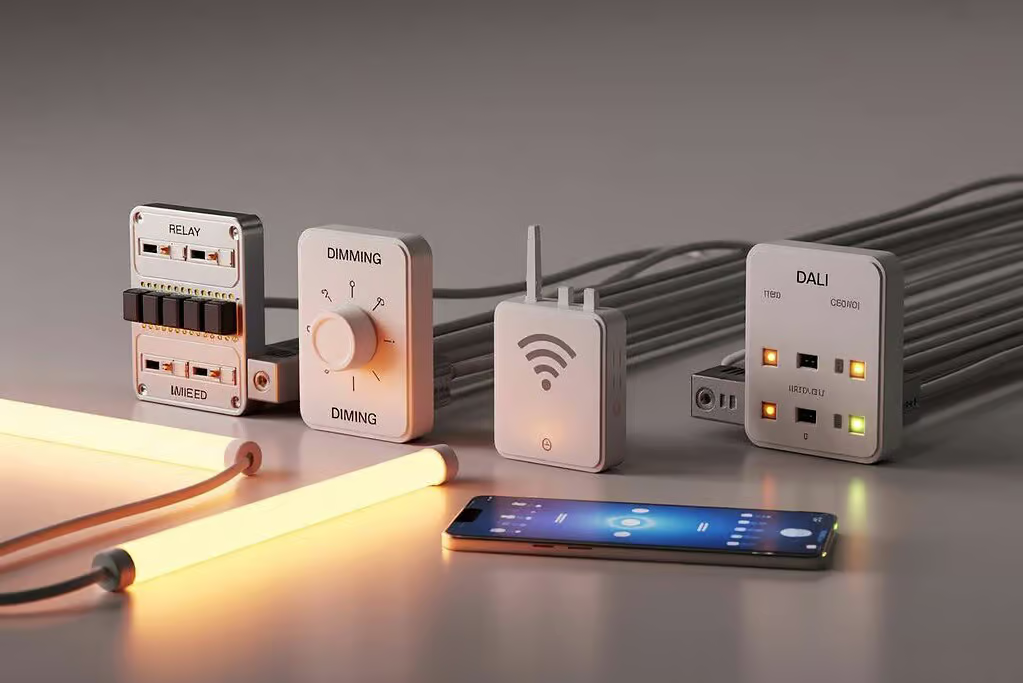
1. Relay Modules
Relay modules are the simplest type. They act like an electronic switch, turning lights fully on or off. These are often used in commercial setups where basic control is needed for multiple lights at once.
2. Dimming Modules
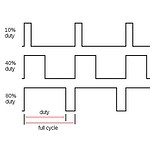
Dimming modules add flexibility by letting you adjust brightness levels instead of just flipping lights on and off. They’re perfect for spaces where mood and ambiance matter, like living rooms, bedrooms, and restaurants.
3. Scene Control Modules
Scene control modules let you create and store presets. For example, one button press can dim the lights for movie night or brighten them for a dinner party. They’re ideal when you want different lighting moods without constantly adjusting settings.
4. Motion-Sensor Modules
Motion-sensor modules automatically switch lights on when movement is detected and off when the space is empty. They’re energy-efficient and great for hallways, garages, and outdoor spaces.
5. Wireless Smart Modules
Wireless smart modules connect to apps, remotes, or voice assistants. They’re popular in smart homes because you can control your lights from anywhere using your phone. No rewiring required, which makes them easy to install.
6. 0-10V Dimming Modules
These are common in commercial and industrial spaces. They use a low-voltage signal (0–10 volts) to control light levels. At 0V, the lights are dimmed all the way down, and at 10V, they’re at full brightness. It’s reliable and widely used in LED Lighting systems.
7. DALI (Digital Addressable Lighting Interface) Modules
DALI is a standardized protocol that allows individual lights or groups of lights to be controlled digitally. It’s popular in office buildings, schools, and hospitals because it gives precise control and flexibility. With DALI, you can control brightness, color temperature, and even monitor the health of each fixture.
Key Features and Capabilities
Lighting control modules come packed with features that go beyond the old-fashioned on/off switch. These capabilities make them versatile, efficient, and tailored to how you actually use your space.
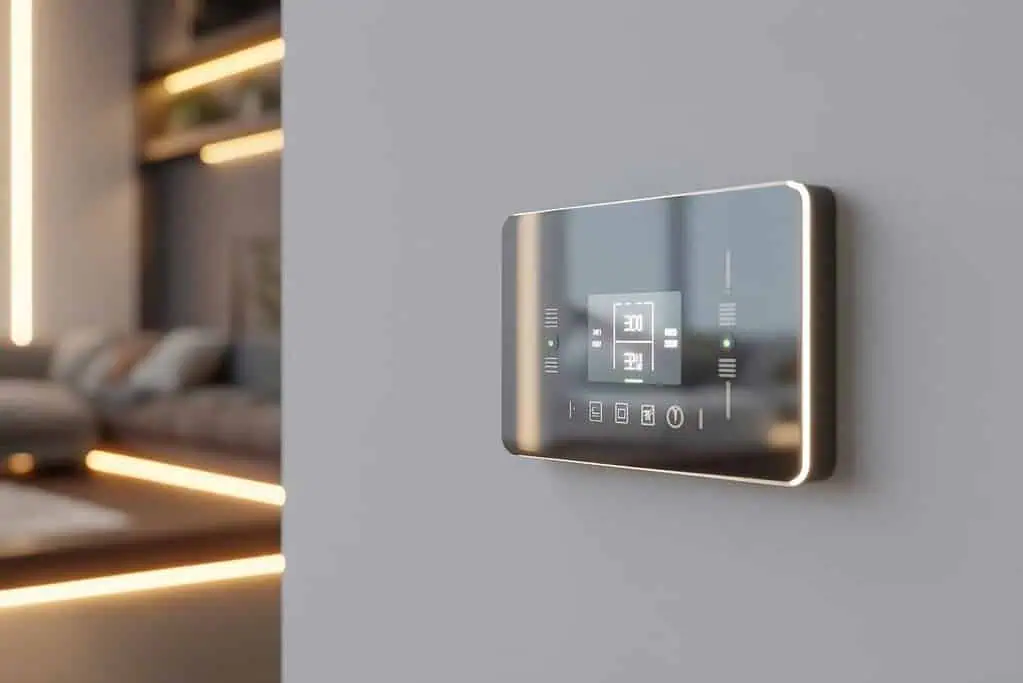
Dimming and Brightness Control
One of the most popular features is the ability to dim lights. Instead of blasting full brightness all the time, you can fine-tune the level for reading, relaxing, or entertaining. This doesn’t just save energy, it also makes a room feel more comfortable.
Scheduling and Timers
With scheduling, you can program your lights to turn on or off at specific times. Imagine waking up to a softly lit room in the morning or having your outdoor lights switch on at sunset without you lifting a finger. Timers also help avoid wasted energy when lights are accidentally left on.
Occupancy and Motion Sensing
As explained earlier with motion-sensor modules, many systems use built-in sensors to detect movement. This feature ensures lights only run when needed, adding convenience in busy households and reducing wasted energy in offices and shared spaces.
Smart Home/IoT Integration
Modern modules can connect with smart home ecosystems like Alexa, Google Home, or Apple HomeKit. This means you can control your lights with a voice command or directly from your smartphone, even when you’re not at home.
Integration with Lighting Control Panels
In larger homes, offices, or commercial buildings, lighting modules can be linked to centralized control panels. This allows facility managers, or even homeowners, to manage multiple zones at once, making it easy to control the lighting environment from a single interface.
Installation and Usage
Setting up a lighting control module isn’t overly complicated, but it does require some care. Whether you’re a DIY enthusiast or planning to hire an electrician, knowing the basics helps you get the most out of your system.
Basic Installation Steps
- Turn Off the Power – Always start by cutting power at the circuit breaker.
- Locate the Switch or Fixture – Most modules are installed behind existing switches or near the light fixture itself.
- Connect the Wiring – Follow the wiring diagram provided with the module. This usually involves connecting live, neutral, and load wires.
- Secure the Module – Fit it inside the wall box or near the fixture, making sure wires are neatly placed.
- Restore Power and Test – Switch the power back on and check if the module responds to commands.
Note: Wireless smart modules are often easier, as they may just need to be connected through an app instead of rewiring.
Safety Precautions
- Always cut power before installation to avoid electric shock.
- Use proper tools and insulated gloves if working with wiring.
- If you’re not confident with electrical work, hire a licensed electrician.
- Ensure the module matches the load rating of your lights to prevent overheating.
Usage Best Practices
- Group Lights Smartly – Link lights in the same area for smoother control.
- Set Schedules – Automate lights for efficiency and convenience.
- Use Dimming Responsibly – Not all bulbs are dimmable; check compatibility to avoid flickering.
- Keep Firmware Updated – For smart modules, regularly update software for new features and security fixes.
Common Issues and Troubleshooting
Even the best lighting control modules can run into problems. The good news is that most issues are easy to spot and often just as easy to fix once you know what to look for.
Common Issues & Fixes
- Lights Not Responding – Check the breaker and make sure the module has power.
- Flickering or Dimming Problems – Often caused by using non-dimmable bulbs with a dimming module. Swap in compatible bulbs.
- Unstable Wireless Connection – Smart modules may drop from your app or voice assistant; updating firmware usually helps.
- Delayed Response – Can be a sign of overloaded circuits or outdated software.
- Compatibility Issues – Some modules only support certain bulbs or smart home platforms. Always confirm before installation.
Quick Fixes to Try:
- Inspect wiring for loose or incorrect connections.
- Reduce the load if too many lights are connected.
- Update the app or firmware for smart modules.
When and How to Reset
If the module still isn’t working, a reset can often clear glitches and restore normal operation.
Reset When:
- The module drops its Wi-Fi or smart home connection.
- Lights remain unresponsive after basic fixes.
- You’re changing networks, hubs, or moving the device to a new system.
Reset Process:
- Turn off the power at the breaker or switch.
- Locate the reset button (usually a small recessed pinhole).
- Press and hold for 5–15 seconds until the LED blinks or changes color.
- Restore power and re-pair the module in your app or hub.
For wired, non-smart modules, simply cutting the power briefly and restoring it often works as a “reset.” Always check the user manual for model-specific steps.
Replacing a Lighting Control Module
Even with regular maintenance, lighting control modules won’t last forever. Knowing when to replace one and how to do it safely helps keep your lighting system running smoothly.
Signs of Replacement
- Frequent Failures – Lights flicker, stop responding, or only work intermittently.
- Burning Smell or Heat – A clear sign that the module may be overheating or damaged.
- Outdated Technology – Older models may not support new smart home platforms.
- No Response to Resets – If troubleshooting and resets don’t fix the issue, replacement is the next step.
- Physical Damage – Cracks, loose wiring terminals, or visible burn marks mean it’s time to swap it out.
Process
- Turn Off Power – Cut electricity at the breaker before touching any wiring.
- Remove the Old Module – Unscrew the wall plate or fixture, then carefully disconnect the wiring.
- Test the Wires – Use a voltage tester to ensure no current is flowing.
- Install the New Module – Connect wires according to the wiring diagram (match live, neutral, ground, and load).
- Secure and Close – Place the new module back in the wall box or fixture housing and tighten everything in place.
- Restore Power and Test – Turn the breaker back on and make sure the new module works correctly.
If you’re dealing with a smart module, don’t forget to pair it with your app or hub once it’s physically installed.
Applications of Lighting Control Modules
Lighting control modules aren’t one-size-fits-all. They’re used across homes, businesses, factories, and even vehicles, each setting reaps unique benefits.

Residential
In smart homes, these modules bring convenience and personality. You can create mood lighting for movie nights, dim lights for reading, or automate outdoor lights for security. They also help cut down on electricity use, which means lower bills and greener living.
Commercial
Offices, retail shops, hotels, and restaurants rely heavily on lighting controls. By 2034, the intelligent lighting control market alone is projected to hit USD 53.7 billion, up from USD 13.5 billion in 2024, driven largely by commercial adoption. Scheduling and occupancy sensors keep energy costs down in offices. Retailers use scene controls to highlight displays, while hotels and restaurants use dimming modules to create welcoming atmospheres. In larger facilities, centralized panels make it easy to manage hundreds of lights from one place.
Industrial
Warehouses and factories need bright, reliable lighting for safety and productivity. Control modules enable lights to dim during downtime, switch on automatically in high-traffic areas, and enhance efficiency across large spaces. Outdoor yards benefit too; motion-sensor modules keep areas lit only when needed.
Automotive
Modern cars use lighting control modules for safety and comfort. Adaptive headlights adjust their brightness and angle based on road conditions, while automatic interior lighting makes it easier to enter and exit the vehicle. These modules improve driving safety while reducing battery drain.
FAQs
Conclusion
Lighting control modules may be small devices, but they make a big difference in how we use and experience light. From saving 30–40% energy in offices with occupancy sensors to helping industries slash consumption by up to 60%, these systems deliver both financial and environmental benefits.
They give you control, flexibility, and efficiency all in one package. Whether it’s dimming the lights for a cozy evening, automating office spaces for productivity, or keeping warehouses safe and well-lit, lighting control modules prove their value every day.
As the market nearly doubles to USD 98 billion by 2029, these modules will only get smarter and more connected. If you’re looking to upgrade your lighting setup, investing in a lighting control module is one of the easiest steps toward a modern, efficient, and sustainable future.